

How Kids Learn New Skills Through Guided Practice
“Practice makes progress” is something children hear from the adults in their lives all the time. When a child is first learning a new skill, though, practice helps most when someone is guiding it. Without guidance, a child can repeat a kick many times and still have the same wobble, or build a habit that’s hard to undo later. Once the basics are in place, practicing on their own becomes much more useful.
What Guided Practice Looks Like
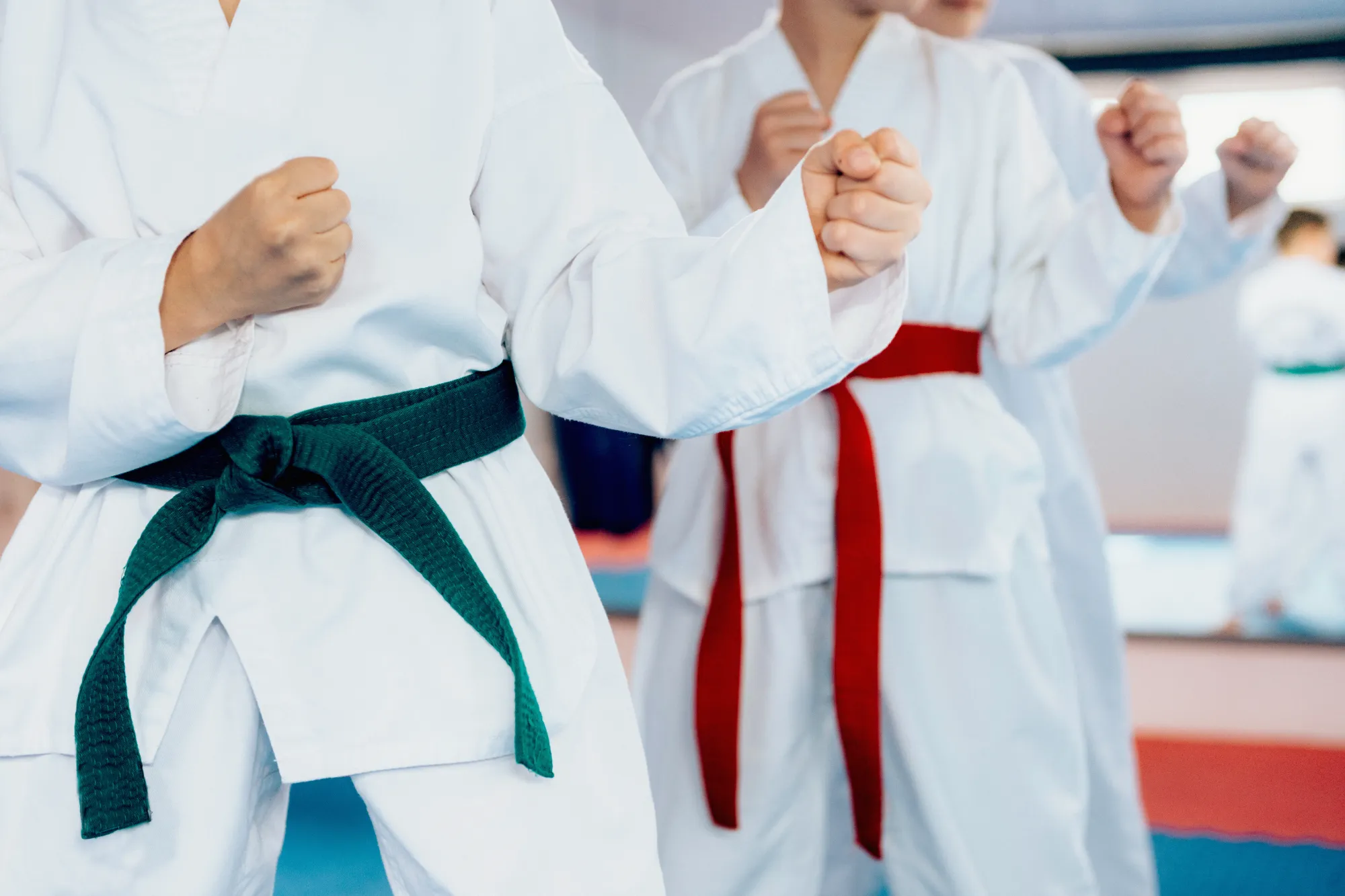
In a Karate West class, an instructor demonstrates a technique, watches each student try it, and gives one clear correction to work on next. A student practicing a kata might hear, “Sink a little lower in your front stance,” and feel the difference on the very next move. Because the correction is specific, every repetition has a purpose. A recorded video can show a technique, but it can’t see a student’s stance or tell them what to adjust.
Good instructors also know how much to say at once. A student who hears five things to fix will struggle to remember any of them, while one correction they can use right away leads to real improvement. Once that adjustment feels natural, the instructor adds the next one.
Research supports this kind of teaching. A 2019 review of ninety-one studies of school physical education found that classes focused on learning and personal improvement were generally linked with greater enjoyment, stronger motivation, and better movement skills. Teachers built that kind of class through clear lesson goals and feedback that recognized each child’s progress.
Meeting Each Student Where They Are
Every student needs something a little different. Sometimes an instructor simplifies a skill so a beginner can find success. Other times it means explaining a movement a new way, offering a word of encouragement, or adding a new challenge for a student who is ready for more. In the same class, one student might be focused on keeping their balance through a side kick, while another is ready to add speed and power.
Practicing at Home
Once a student has learned a technique in class, a few minutes of practice at home helps it stick. Many students enjoy showing a parent or sibling what they’re working on, and explaining their instructor’s latest correction helps them remember it. A simple question like “What did your instructor help you fix today?” can start that conversation. Even five or ten minutes a few times a week makes a difference, and short, regular practice between classes gives them a head start on the next lesson.
Small Improvements Add Up
Progress in karate usually comes from many small improvements rather than one big breakthrough. Over a few weeks, a student realizes they can do something that once felt impossible, and they can see how instruction, practice, and correction got them there. Mistakes start to feel less discouraging, because each one shows them what to fix next.
Instructors often notice progress before students do. A kata that once required careful thought now flows from one move to the next, and pointing that out helps a student see how far they’ve come. That kind of encouragement, tied to something real, means far more to a child than general praise.
When children experience guided practice week after week, they learn that improvement comes from instruction, effort, and a willingness to adjust, a lesson that helps with every new skill they take on.