

Teaching Responsibility Through Karate: How Ownership Shapes Character at Karate West
Responsibility is one of the most important qualities a child can develop, and one of the most challenging for parents to teach consistently.
Remembering homework, completing chores, following through on commitments, and showing up prepared are habits that do not develop automatically. They are formed gradually through steady expectations and consistent follow through.
Responsibility is more than task completion. It is about becoming someone others can rely on.
When a child begins to see themselves as dependable, something shifts internally. They recognize that their actions matter. They understand that preparation reduces stress rather than creating it. Over time, they begin to take quiet pride in doing what needs to be done without being reminded.
That shift shapes how they move through school, friendships, and eventually adulthood.
At Karate West, responsibility is not introduced through lectures. It is practiced week after week in visible, concrete ways.
Responsibility Is Ownership, Not Pressure
Karate develops physical skill, but beneath that training lies something deeper. Students learn that preparation affects performance and that effort must be followed by follow through.
A student in one of my online advanced classes is training for higher rank. I asked him to practice ten minutes between each class. Not twenty. Not an hour. Ten minutes.
The amount of time was intentional. It was realistic and consistent. It gave him something clear and achievable that he could take responsibility for.
After several weeks, Charlie came to class and told me he had decided to practice twenty minutes instead. I was proud of him. Not because of the extra time, but because of what it represented.
He raised his own standard.
No one required it. No one increased the expectation. He chose it.
That is the moment every teacher hopes for.
We are not trying to create children who perform well when supervised. We are guiding them toward becoming self-directed, self-motivated, and accountable to themselves.
After nearly four decades of working with children, this pattern has become unmistakable. Accountability cannot be forced. It must be built. In PE With a Purpose, I explain how structured, skill based movement makes accountability visible. When children practice a form repeatedly, adjust their stance, refine timing, and then see measurable improvement, they experience a direct connection between preparation and outcome.
That connection reshapes belief.
Children begin to understand that effort is not abstract. It produces results. Follow through changes performance. Preparation alters outcomes. Over time, this repeated evidence changes identity. They begin to see themselves as capable of influencing their own progress.
Accountability begins externally. A teacher sets an expectation. A parent provides structure. But the long term goal is always internalization. When children begin holding themselves to a standard without being reminded, they move from compliance to character.
Structured martial arts training provides that pathway. Expectations are clear. Feedback is consistent. Progress is measurable. Advancement reflects preparation over time.
When that lesson takes hold, it extends far beyond the dojo. Homework is approached differently. Responsibilities at home feel more manageable. Preparation becomes normal rather than burdensome.
Small Actions Shape Identity
Responsibility rarely develops through dramatic moments. It grows through small, repeated behaviors that gradually become part of how a child sees themselves.
The act of bowing respectfully when entering the mat, lining up correctly without repeated reminders, and listening fully before responding may seem minor on the surface. Yet these steady routines reinforce attentiveness, self control, and respect in tangible ways. Over time, such actions stop feeling like rules and begin to feel like standards.
When repeated consistently, these habits shape identity.
A child who prepares consistently begins to think of themselves as prepared. A student who follows through begins to see themselves as dependable. That internal shift carries beyond the dojo walls.
Assignments are packed more carefully. Deadlines are remembered with fewer prompts. Materials are organized because organization feels appropriate.
Responsibility stops feeling imposed. It becomes self directed.
Responsibility in Little Dragons (Ages 4–6)
Even very young students can begin practicing responsibility in meaningful ways.
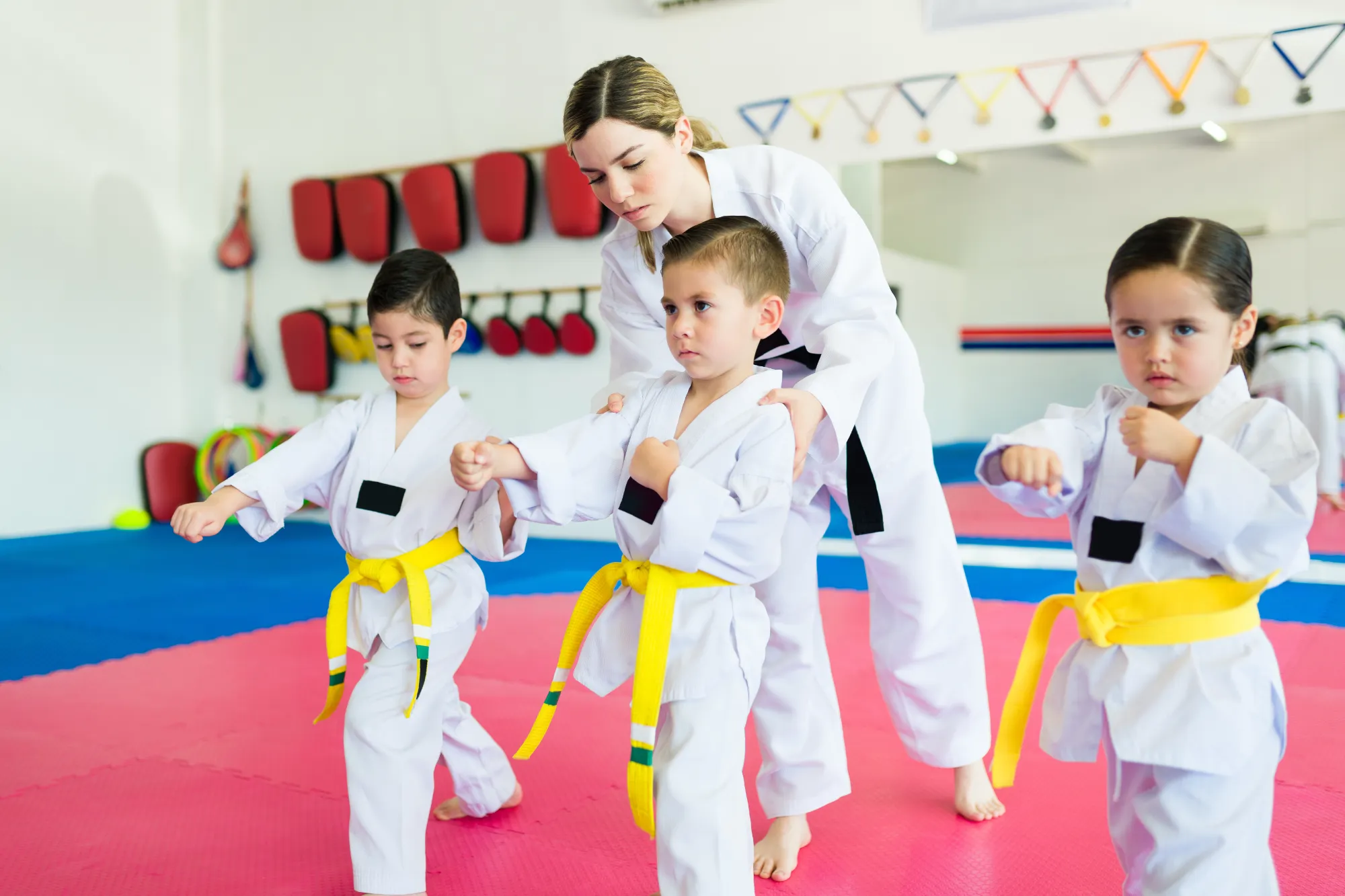
In the Little Dragons karate Issaquah program, responsibility starts with simple routines that are developmentally appropriate. Shoes are placed neatly before stepping onto the mat. Belts are tied carefully. Directions are followed with increasing consistency.
For many preschoolers, karate represents one of their first structured environments outside of home or daycare. Expectations are clear and consistent. Follow through is reinforced gently. Success is acknowledged without exaggeration.
Parents often notice subtle changes at home. Toys are put away more independently. Small tasks are completed with less prompting. Pride begins to show in everyday routines.
Steady growth is lasting growth.
Responsibility in Youth Classes (Ages 7–12)
As children mature, responsibility deepens and becomes more self directed.
In youth karate for beginners Issaquah classes, students take increasing ownership of their training. Forms are memorized independently. Preparation for belt testing becomes intentional rather than rushed. Older students assist newer classmates or help lead portions of class.
Students begin to see clearly that preparation influences outcome. Consistent effort produces visible results. That understanding builds maturity.
Parents frequently report that this mindset transfers into school. Homework is started earlier. Assignments are completed more reliably. Work is reviewed instead of rushed.
Responsibility becomes part of how the child approaches challenges.
Responsibility Beyond the Dojo
The true measure of responsibility is visible outside class.
Students who train consistently often demonstrate greater follow through in school. They organize materials more carefully. They meet deadlines with fewer reminders. They contribute reliably in group work.
In sports, they arrive prepared and support teammates. At home, they handle tasks with increasing independence.
These habits compound gradually.
After more than 36 years serving Issaquah families, many students have grown from uncertain beginners into dependable young adults. Years later, they often describe how the discipline and responsibility practiced in karate shaped their approach to education, work, and relationships.
Responsibility builds quietly through repetition and expectation.
Its impact is lasting.
A Commitment to Character
Karate West has always focused on more than technique. Physical training matters, but character development remains central.
Responsibility is often one of the first life skills students begin practicing. From there, respect, focus, perseverance, and leadership develop alongside martial arts training.
When a child learns to take ownership of their actions, they begin to trust themselves.
That trust becomes foundation.
Responsibility may begin with tying a belt correctly or bowing before class.
Over time, it becomes part of who they are.