

The Hidden Power of Forms
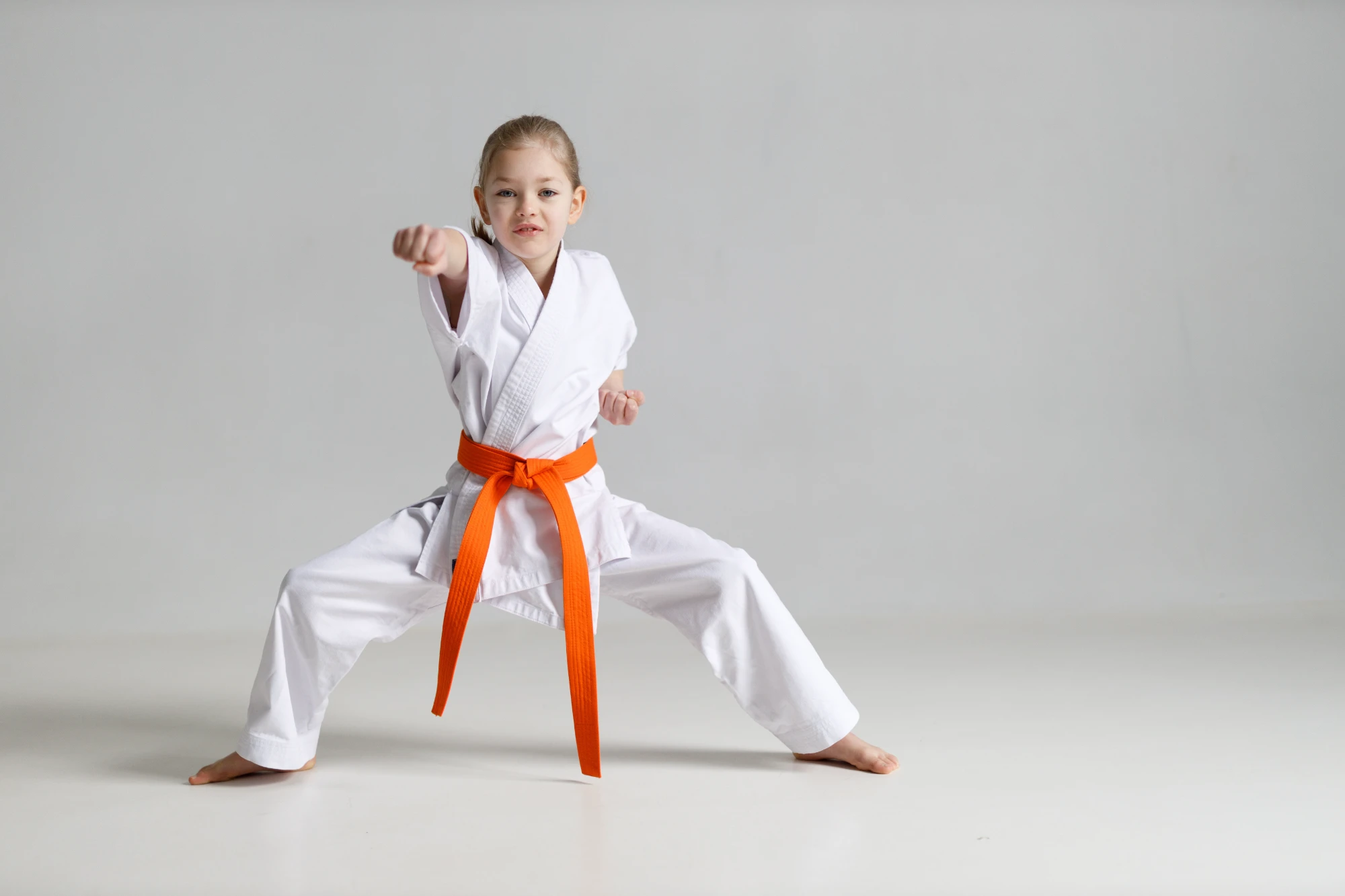
When parents observe a karate class for the first time, they often notice something that feels unfamiliar. Students move alone through a sequence of techniques without an opponent, without equipment, and without the noise of competition. The room is steady. Movements are deliberate. Every transition is intentional.
These sequences are called forms, or kata, and they remain one of the defining elements of traditional martial arts training.
At first glance, forms can appear repetitive. But repetition, in this context, is not decorative. It is instructional.
Forms are where technique becomes thinking.
In many youth activities, skill develops primarily through reaction. A ball is thrown. A play unfolds. A decision must be made quickly. Reaction training has value, but karate adds another dimension. It trains sequencing, memory, balance, and intentional control within a clearly defined structure.
A form is a choreographed pattern of movements performed in a specific order. Each stance, block, strike, and transition exists for a reason. Students must remember the sequence, execute it with technical precision, and maintain control over posture, timing, breathing, and focus. Physical coordination and cognitive engagement operate together.
Repetition here is not mindless. It is refinement.
The first time a child learns a form, it often feels mechanical. They pause to recall what comes next. Their balance shifts during transitions. Movements lack extension or clarity. Attention divides between remembering and performing.
With consistent practice, something measurable begins to change. The sequence becomes internalized. Transitions smooth. Balance stabilizes. Movements sharpen. What once required deliberate recall begins to feel steady and controlled.
This visible shift matters.
Children begin to recognize the relationship between effort and progress. They experience in their own bodies that repetition guided by correction produces improvement.
Structured repetition is what turns effort into skill.
In my book PE With a Purpose, I explain that learning does not begin with instruction. It begins with emotional safety. Before a child will apply effort, they must feel secure enough to risk imperfection. That means more than avoiding embarrassment. It means feeling safe from ridicule, safe from harsh comparison, safe from the quiet internal fear that struggling confirms they are incapable.
Many children hesitate not because they lack ability, but because they are protecting themselves. If trying risks exposing weakness, withdrawal feels safer than engagement.
When that emotional barrier lowers, effort becomes possible. And when effort becomes possible, growth can begin.
Forms provide a remarkably clear example of this pattern. A student steps into a sequence knowing it will not be perfect. The first attempt is often hesitant. The stance wavers. The timing is off. The sequence breaks down midway through. Instead of that moment becoming a verdict on the child, it becomes information about the movement. The correction targets the skill, not the student.
The child tries again.
Gradually, balance steadies. Transitions sharpen. What once required intense concentration begins to flow. The improvement is not theoretical. It is felt. The body registers the difference between the first attempt and the twentieth.
This is where something important happens.
The child begins to understand that difficulty is not proof of inability. It is the early stage of learning. That understanding changes behavior. Instead of pulling back from challenge, they stay with it. They begin to trust the process itself.
Over time, that trust transfers beyond karate. When academic work becomes complex or unfamiliar, the child who has internalized this pattern does not immediately interpret struggle as failure. They recognize it as a stage. They have experienced before that effort applied within structure produces change.
Confidence, then, is not granted through praise. It is built through evidence. It grows when children witness themselves improving.
And once they have that evidence, they approach challenge differently.
Beyond this psychological shift, forms cultivate disciplined awareness. Because a form requires full individual accountability, students cannot rely on teammates or external distractions. Each movement reveals the quality of attention behind it. If balance is unstable, it shows. If focus drifts, the sequence breaks down.
Correction becomes specific. Growth becomes measurable.
Forms connect body and mind in a disciplined way.
Students are not merely moving; they are thinking through movement. They must recall sequence, regulate breathing, anticipate transitions, and respond to feedback. Memory, coordination, and concentration strengthen simultaneously.
This layered development unfolds progressively. Initially, a student memorizes the pattern. Then they refine technique. Later, they add control, timing, and composure. Eventually, the form reflects presence rather than effort.
Forms also help children manage complexity. Large tasks can feel overwhelming when viewed as a whole. A long assignment, a new responsibility, or a challenging concept may appear intimidating at first glance. Training in forms teaches children to approach complexity through sequence. One movement follows another. One correction builds upon the last. Progress unfolds step by step.
Rather than eliminating challenge, forms teach children how to move through it systematically. That orientation replaces emotional reactivity with structure.
Karate preserves forms partly because of tradition. Martial arts are rooted in lineage and discipline, and forms connect students to generations of practitioners who trained before them. That history carries meaning and identity.
But tradition alone would not sustain forms across centuries if they did not continue to produce results.
They endure because they cultivate focus, sequencing, composure, and resilience.
At Karate West, students demonstrate their forms during testing cycles held three times each year. Preparation reinforces consistency. Students learn that refinement develops through steady practice, not sudden bursts of effort. As they advance, they revisit earlier forms with greater maturity and precision. What once felt difficult becomes foundational.
Over time, students begin to value refinement itself. Satisfaction shifts from external recognition to internal steadiness.
Forms teach children how mastery feels.
Mastery does not feel dramatic. It feels steady. It feels controlled. It feels earned through disciplined repetition.
When children internalize that feeling, they carry it with them. They recognize it when academic skills strengthen, when public speaking steadies, when complex tasks become manageable.
Forms may appear simple from the outside: a child moving alone across a mat in a quiet room. Yet within that structure lies a disciplined model of growth. Repetition guided by feedback produces refinement. Refinement builds stability. Stability builds belief grounded in lived experience.
Karate continues to use forms not only because of heritage, but because they teach children how progress is built.
And once children understand that progress is built, they begin to believe it is possible.